Politics
Rochester City Council Approves Mixed-Use Zoning Changes, Opening 45 Acres for New Housing in South Wedge
The ordinance permits apartments above stores on 45 acres, which will increase housing supply for South Wedge renters while requiring 320 existing property owners to apply for new compliance permits by December.
How we reported this
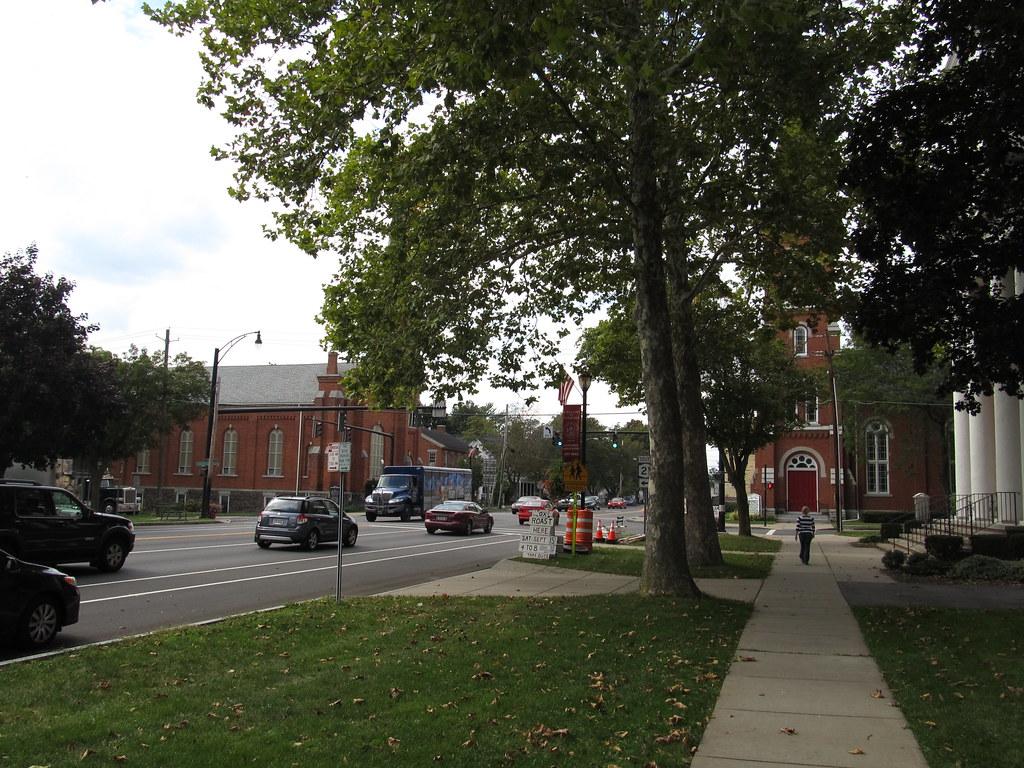
Rochester City Council passed an ordinance on July 8 that changes zoning rules for 45 acres in the South Wedge neighborhood. The vote allows mixed-use buildings with ground-floor retail and upper-floor apartments. Property owners in single-family zones adjacent to the new district must now meet updated setback and parking requirements.
Why the vote occurred this month
The council acted after the planning department completed its review of the 2025 land-use study. That study identified the South Wedge as one of three areas where commercial vacancies exceeded 18 percent. Council documents list the change as part of the city’s effort to meet a state housing production target of 1,800 new units by 2028.
The ordinance applies only inside the defined 45-acre boundary. It does not alter rules in the rest of the city’s 22 wards. City staff estimate that 320 parcels inside the boundary will need new permits if owners want to add residential floors.
Effects on residents and daily costs
Renters in the South Wedge stand to gain from the projected addition of 210 apartment units over the next three years. The planning department projects average monthly rents for the new units at $1,050 for a one-bedroom. Current South Wedge one-bedroom listings average $1,180, according to the same department report.
Homeowners on the edges of the rezoned area will face new application fees of $275 per parcel if they seek to convert accessory structures. The city budget for fiscal year 2026 lists $92,000 in expected revenue from these permits. Residents outside the South Wedge will see no immediate change to their property tax bills from this single vote.
Implementation begins August 1. The planning department will accept applications on a rolling basis, with the first approvals expected in October. City records show that similar zoning updates in the North Clinton corridor produced 87 new units within 18 months of passage.